Featured
Browsing Financial Obligation Mercy in 2026: Finding Legitimate Alleviation in a Crowded Market
Table of Contents
When credit report card balances spiral beyond control and regular monthly minimal repayments hardly scratch the surface area of what you owe, the weight of monetary anxiety can really feel unbearable. With American consumers currently holding over $1.21 trillion in charge card debt jointly, locating reputable financial obligation relief has never ever been a lot more vital. Virtually fifty percent of cardholders lug an equilibrium from month to month, and the section dropping behind on minimum repayments has actually climbed to 12.3% in recent data.
For those seeking a path out of overwhelming financial obligation, understanding the distinction in between financial debt forgiveness, bankruptcy counseling, and debt administration can mean the difference between economic recuperation and much deeper trouble.
What Financial Obligation Mercy In Fact Implies
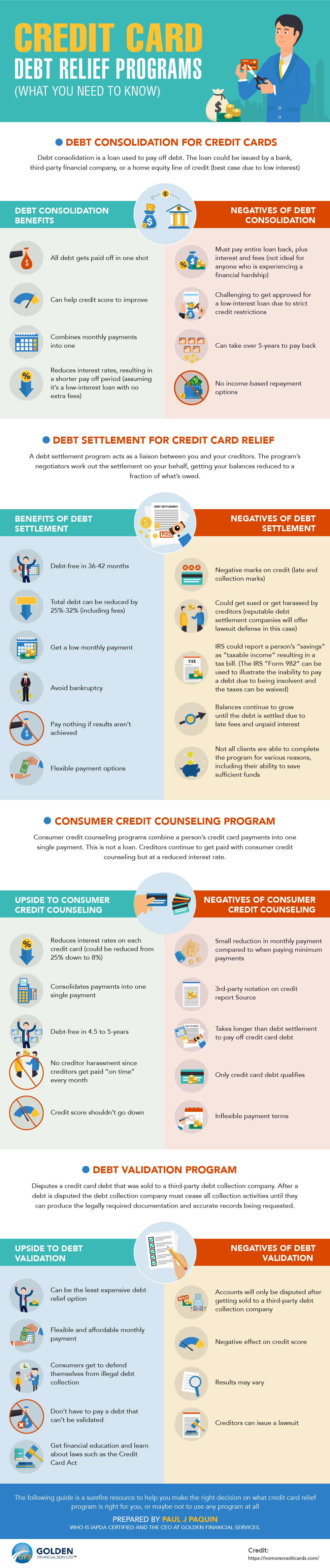
Debt forgiveness refers to the process of working out with financial institutions to minimize the complete amount owed, allowing consumers to resolve their financial obligations for less than the initial equilibrium. Unlike debt loan consolidation, which incorporates numerous financial obligations into a solitary repayment, or financial obligation monitoring intends that restructure settlement timetables, debt forgiveness programs actively function to remove sections of your superior balances.
When a charge card account goes unpaid for 120 days or even more, lenders usually bill off the debt and may approve minimized settlements to recuperate at the very least a portion of what they're owed. Settlements typically range from 30% to 50% of the original equilibrium, though results vary based upon the lender, account age, and private situations. A lot of financial debt forgiveness programs cover two to four years, calling for customers to build funds in devoted accounts while mediators collaborate with lenders.
It deserves keeping in mind that forgiven financial obligation over $600 is generally considered gross income by the internal revenue service. Anybody taking into consideration financial obligation settlement must consult a tax obligation expert to recognize the ramifications prior to continuing.
The Vital Difference Between Nonprofit and For-Profit Providers
The Customer Financial Defense Bureau alerts that managing for-profit financial debt settlement companies can be high-risk. These business typically bill costs ranging from 15% to 25% of registered financial debt and usually urge clients to stop paying totally while settlements proceed. This technique can result in placing late costs, penalty passion charges, harmed credit rating, and even claims from creditors.
Nonprofit credit rating therapy firms run under different standards. Organizations accepted by the united state Division of Justice as 501(c)(3) nonprofits concentrate on customer well-being instead of revenue margins. Their credit counseling sessions are generally offered totally free of fee, and financial debt management program fees are covered at $79 month-to-month across the country under federal regulations.
The National Foundation for Debt Counseling (NFCC), established in 1951, stands for the gold standard for nonprofit financial counseling. NFCC participant companies need to meet strict ethical requirements, with therapists needed to recertify every two years. Research study conducted by Ohio State College located that NFCC credit counseling customers minimized their revolving financial obligation by $3,600 more than contrast teams over 18 months adhering to counseling, with 70% reporting improved financial confidence.
Bankruptcy Therapy: Comprehending Your Legal Requirements
For people whose financial circumstances have actually weakened beyond what financial debt forgiveness or administration programs can address, bankruptcy may become essential. Federal law needs any individual declare Phase 7 or Chapter 13 bankruptcy to complete both pre-filing credit report therapy and post-filing borrower education and learning courses via an accepted firm.
Pre-bankruptcy counseling entails a comprehensive evaluation of earnings, financial debts, and expenses, along with exploration of alternatives to insolvency. The session helps filers comprehend whether bankruptcy absolutely represents their ideal choice or whether other financial obligation relief techniques could function. Post-filing borrower education focuses on budgeting, saving, and rebuilding credit score after personal bankruptcy discharge.
Both sessions usually take 60 to 90 minutes. Costs vary by carrier but normally array from $20 to $50 per training course, with fee waivers readily available for those who qualify based on revenue. Upon conclusion, filers receive certificates needed for their insolvency applications.
![Freedom Debt Relief vs. National Debt Relief [2026] FinanceBuzz](https://www.centuryss.com/wp-content/uploads/2020/08/Steps-Vertical.Aug-20.png)
Nonprofit firms like APFSC offer these needed insolvency counseling training courses alongside their other debt alleviation services, providing a structured experience for those browsing the insolvency procedure.
Comparing Your Debt Relief Options
Comprehending which approach fits your situation needs straightforward evaluation of your monetary situations.
Debt administration plans job best for those that can still make constant settlements however require aid lowering rate of interest and organizing numerous financial debts right into solitary month-to-month repayments. These programs usually extend three to 5 years and pay financial debts in complete, simply with much better terms. Credit report usually enhance gradually as balances lower.
Debt settlement or forgiveness programs suit those with larger financial debt tons, typically $7,500 or more, who have currently dropped behind on repayments and can not reasonably pay balances completely. These programs work out reduced payoffs but lug credit score effects and tax implications.
Insolvency gives the most dramatic alleviation but likewise the most considerable lasting credit effect. Chapter 7 liquidates assets to release financial obligations, while Phase 13 creates structured repayment plans over three to five years. Insolvency remains on credit scores records for 7 to 10 years.
Credit rating counseling alone, without enrollment in a certain program, aids those who require budgeting support and monetary education to avoid future financial debt troubles. These sessions are typically cost-free through not-for-profit firms.
Indication of Debt Alleviation Scams
Consumers need to be specifically careful of business asserting to offer government-sponsored bank card financial debt mercy programs. No such federal programs exist for charge card financial obligation, unlike the mercy alternatives available for federal trainee fundings. Any ads suggesting or else are likely frauds.
Other warnings consist of firms that require big ahead of time fees prior to supplying services, warranty specific settlement percentages, inform you to stop interacting with creditors totally, or refuse to explain their cost structure plainly. Legitimate nonprofit agencies supply transparent info regarding costs, timelines, and sensible outcomes.
The CFPB suggests taking into consideration all choices before engaging any financial debt alleviation service, consisting of working out straight with financial institutions on your own and talking to nonprofit credit scores therapists who can give objective analyses of your circumstance.
Making an Enlightened Decision
Selecting the ideal debt relief path depends upon specific situations, overall debt amount, earnings stability, and capability to make constant payments. Free preliminary consultations from nonprofit credit report counseling companies aid potential customers recognize their choices without high-pressure sales tactics.
Throughout these sessions, accredited therapists evaluate monetary circumstances, explain readily available programs, and develop tailored suggestions. Whether a person eventually chooses financial debt mercy, financial obligation management, insolvency, or self-directed repayment, beginning with not-for-profit support ensures they get recommendations concentrated on their financial wellbeing.
Sector leaders like Cash Administration International, GreenPath Financial Wellness, InCharge Debt Solutions, and APFSC all provide extensive solutions covering credit scores therapy, debt management, and bankruptcy education. A lot of supply multiple contact techniques consisting of phone, online conversation, and email, making it easy to begin the conversation.
Taking the First Step
Financial recovery seldom happens overnight. Financial debt management strategies typically span 3 to five years, and debt negotiation programs commonly require 24 to 48 months of structured financial savings and negotiations. The choice of proceeding to battle with unrestrainable debt while passion substances supplies no path forward.
For any individual drowning in bank card financial obligation, medical costs, or personal financings, getting to out to a nonprofit credit counseling firm stands for an essential first action. The appointment sets you back absolutely nothing, carries no commitment, and supplies quality about reasonable options. From there, notified choices come to be possible.
How Young Professionals Can Avoid Debt Traps Early in Their CareersThe journey from overwhelming financial obligation to monetary stability requires commitment, patience, and professional assistance. With support from trusted not-for-profit agencies and a clear understanding of available programs, that journey becomes possible.

Table of Contents
Latest Posts

The 15-Second Trick For Categories of Avoid Spending Money You Don’t Have This Holiday Season : APFSC Available Now
Some Known Details About Prevalent False Beliefs Surrounding Bankruptcy
Not known Facts About Policy Changes That May Change Debt Relief Availability
More
Latest Posts
The 15-Second Trick For Categories of Avoid Spending Money You Don’t Have This Holiday Season : APFSC Available Now
Some Known Details About Prevalent False Beliefs Surrounding Bankruptcy
Not known Facts About Policy Changes That May Change Debt Relief Availability